
Insulation Materials
Types of Home Insulation: A Comparison Guide
An overview of fiberglass batts, mineral wool, cellulose, spray foam, and rigid foam boards — including R-value ranges, typical applications, and moisture behaviour.
Read article →A practical reference covering insulation materials, attic and wall solutions, window sealing techniques, and ways to reduce heating costs across Canadian climate zones.

Featured Articles
Detailed walkthroughs on choosing and installing insulation in different parts of the home, with attention to Canadian building codes and climate realities.
Insulation Materials
An overview of fiberglass batts, mineral wool, cellulose, spray foam, and rigid foam boards — including R-value ranges, typical applications, and moisture behaviour.
Read article →
Attic & Roof
How much attic insulation is enough for your province, the difference between batts and blown-in installation, and what building codes require in colder climate zones.
Read article →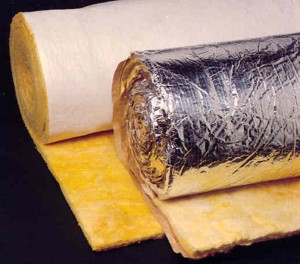
Windows & Doors
Practical methods for weatherstripping, caulking, and foam sealing around windows and doors, with notes on which products hold up through freeze-thaw cycles.
Read article →Why Insulation Matters in Canada
Attic & Roof
In most existing Canadian homes, the attic is the single largest source of preventable heat loss. Air moves up and escapes through inadequate insulation or poorly sealed penetrations — adding insulation here typically delivers measurable reductions in heating bills.
Walls
Canadian wall assemblies need to handle both cold winters and humid summers without trapping moisture inside the structure. The choice between interior and exterior insulation affects vapour management and must align with local code requirements.
Windows & Air Sealing
Gaps around window and door frames, electrical boxes, and plumbing penetrations collectively contribute to a large share of heat loss in older homes. Air sealing before adding insulation makes both measures more effective.
Canadian Climate Zones
Canada uses a climate zone system that directly influences the minimum insulation requirements in provincial building codes. A home in Winnipeg requires substantially more attic insulation than one in Victoria.
The National Building Code of Canada (NBC) sets baseline R-value minimums, but provincial codes — such as the Ontario Building Code or the BC Building Code — may specify higher values. Checking the requirements for your specific province and municipality is an important first step before any insulation upgrade.
Natural Resources Canada's EnerGuide program offers home energy assessments that identify where insulation upgrades would have the most impact.

A thermal bridge occurs where a more conductive material — like a metal stud or concrete beam — passes through the insulation layer, creating a path for heat to escape. Addressing thermal bridges is part of high-performance wall design.
Get in Touch
Use the form to send questions or topic suggestions. This site covers home insulation and energy efficiency topics for Canadian homeowners.